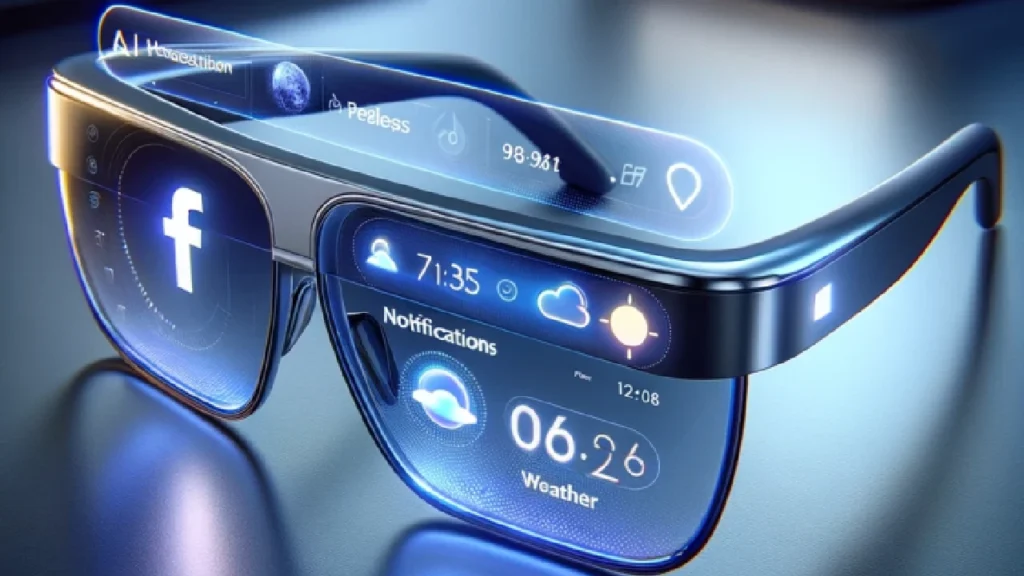
AI smart glasses are starting to look a lot more interesting. They can take photos, answer questions, help with directions, translate signs, and maybe reduce how often we pull out our phones.
That sounds useful.
But useful does not always mean ready to buy.
This is still an early category. Some products are impressive. Some are awkward. Some are closer to camera sunglasses. Others are more like portable displays. A few are trying to become true AI assistants.
So the real question is simple:
Should you buy AI smart glasses yet?
Maybe.
But only if your use case is clear.
Quick take
Do not buy AI smart glasses just because they sound futuristic. Buy them only if they solve a real problem you already have.
For most people, this is still a “watch closely” category. The technology is moving fast, but the tradeoffs are real.
Before buying, ask yourself:
- Will I use them every week?
- Do they solve a problem my phone does not solve well?
- Are they comfortable enough to wear?
- Do they look normal enough for daily use?
- Is the battery life good enough?
- Are the privacy controls clear?
- Is the price reasonable for what they actually do?
That last part matters.
A cool gadget is still a bad buy if it ends up sitting in a drawer.
Who should consider buying now?
Some people may actually benefit from AI smart glasses today. Not everyone, but certain users have a stronger reason to pay attention.
The best early buyers are people who already need hands-free help, quick capture, or on-the-go assistance.
That may include:
- Travelers
- Content creators
- Tech early adopters
- Field workers
- Students
- Accessibility users
- Outdoor users
- People who already use voice assistants often
For those people, AI smart glasses may not be a gimmick. They may be a tool.
The key is knowing exactly what you want them to do before you buy.
Travelers may get the most obvious value
Travel is one of the clearest use cases. If you are walking through airports, train stations, museums, historic districts, or unfamiliar cities, hands-free help can make sense.
Smart glasses could help with directions, signs, quick photos, translation, and reminders. That does not mean they replace your phone, but they may reduce the constant phone shuffle.
That is valuable when your hands are full or when you want to stay aware of your surroundings.
Still, I would not buy them for one vacation. I would buy them only if travel is a regular part of your life.
Otherwise, your phone is probably enough.
Content creators may find them useful
For creators, AI smart glasses can be interesting because they make first-person capture easier. You can record what you are seeing without holding a phone or camera.
That could work well for:
- Travel clips
- Walkthrough videos
- Product demos
- Outdoor activities
- Behind-the-scenes footage
- Tutorials
- Short social posts
But there is a catch.
Hands-free capture is convenient, but it does not automatically create good content. Lighting, sound, framing, story, and editing still matter.
The glasses may make recording easier.
They do not make the content better by themselves.
Accessibility users may benefit most
This is the category where AI smart glasses could become genuinely important.
For some users, glasses that can read text, describe a scene, identify objects, or provide navigation support may be more than convenient. They may support independence.
That could include help with:
- Reading signs
- Recognizing objects
- Understanding printed labels
- Navigating unfamiliar places
- Getting spoken descriptions
- Remembering locations or tasks
This is where the technology starts to feel meaningful.
Not flashy.
Useful.
That is the best version of wearable tech.
Nerd take
The smartest buying rule is this:
Do not buy the hype. Buy the use case.
If you cannot name three ways you would use AI smart glasses in your normal week, wait.
That does not mean the product is bad. It just means the timing may be wrong for you.
Good tech should earn a place in your life. It should not need excuses.
Who should probably wait?
Most casual buyers should wait.
That may sound harsh, but it is the honest answer. This category is still sorting itself out.
You should probably wait if:
- You only want them because they look cool
- You already dislike charging extra gadgets
- You are sensitive to comfort or fit
- You do not travel much
- You rarely use voice assistants
- You are uncomfortable wearing camera devices
- You expect perfect translation or perfect AI answers
- You want a full phone replacement
Those are not small concerns.
AI smart glasses are improving, but they are not magic. If your expectations are too high, you may be disappointed.
The comfort test matters
Wearable tech has one brutal rule:
If it is uncomfortable, you will stop wearing it.
That matters more with glasses than almost anything else. Glasses sit on your face. They touch your nose and ears. They affect how you look. They may feel heavy after a while.
Before buying, think about:
- Weight
- Fit
- Lens options
- Heat
- Battery placement
- Prescription support
- Style
- How long you can wear them comfortably
This is why design matters so much.
The best AI smart glasses may not be the most powerful. They may be the ones people forget they are wearing.
The privacy test matters too
Privacy is not just a legal issue. It is a practical buying issue.
If you feel awkward wearing camera glasses around other people, that will affect how often you use them. If others feel uncomfortable around you, that matters too.
Before buying, check:
- Is there a clear recording light?
- Can you easily turn the camera off?
- Can you easily mute the microphone?
- Are privacy settings simple?
- Can you delete recordings easily?
- Does the company clearly explain data storage?
- Would you feel comfortable wearing them around family, coworkers, or strangers?
That last question is important.
A product can be technically impressive and socially awkward at the same time.
The battery and charging problem
Battery life can make or break daily use.
If the glasses only work well for short bursts, that may be fine for photos, quick questions, or occasional travel help. But if you expect all-day assistance, battery life becomes a bigger issue.
Also consider charging habits.
Ask yourself:
- Do they need a charging case?
- How often do they need charging?
- Can they last through a normal outing?
- Do features drain the battery quickly?
- Will I remember to charge them?
That may sound boring.
Boring details decide whether a gadget becomes useful or annoying.
Smart glasses, AR glasses, or a headset?
Before buying, make sure you are buying the right category.
These products are often talked about together, but they are not the same.
Choose smart glasses if you want everyday help
Smart glasses are best if you want hands-free photos, audio, AI assistance, quick questions, translation, and lightweight daily use.
They should feel close to normal eyewear.
Choose AR glasses if you want a portable display
AR-style glasses are better if your main goal is watching video, gaming, screen mirroring, or using a large virtual display.
They are more about viewing than assisting.
Choose a headset if you want immersion
Headsets are better for spatial computing, gaming, training, virtual workspaces, design, and deeper digital experiences.
They are powerful, but they are not everyday glasses.
The wrong category leads to disappointment.
My buying checklist
Before buying AI smart glasses, run through this quick checklist.
If you cannot answer most of these clearly, wait.
- Use case: What will I use them for every week?
- Comfort: Can I wear them long enough to matter?
- Battery: Will they last through the way I plan to use them?
- Privacy: Do I trust the controls and recording indicators?
- Ecosystem: Do they work well with my phone and apps?
- Price: Is the value clear without pretending they do everything?
- Support: Will the product improve through updates?
- Exit plan: If I stop using them, am I okay with the cost?
That last one is underrated.
If the answer is no, do not buy yet.
What I would do
My personal take: I would not tell most people to rush out and buy AI smart glasses right now.
I would tell them to watch the category closely.
If you are a traveler, creator, accessibility user, or serious tech enthusiast, they may already be worth exploring. If you are a casual buyer, I would wait for the next wave.
The next generation should bring better comfort, stronger AI features, cleaner privacy controls, longer battery life, and clearer product categories.
That is usually when early tech becomes more useful.
Not version one.
Version two or three.
Watch this space
The next few years will be important. AI smart glasses may either become a real everyday wearable or remain a niche gadget for tech fans.
The winning products will not just have better specs. They will have better fit, better trust, better usefulness, and a better reason to exist.
That is what buyers should watch.
Not the flashiest demo.
Not the biggest launch event.
The real question is whether people keep using them after the novelty wears off.
So, should you buy AI smart glasses yet?
Here is the clean answer.
Buy now if you have a real use case, understand the limits, and are comfortable being an early adopter.
Wait if you are curious but not sure how you would use them.
Skip for now if you expect them to replace your phone, work perfectly, or feel completely normal in every situation.
That is not a negative view. It is a practical one.
AI smart glasses may become important. They just are not automatically a smart buy for everyone today.
AI smart glasses series
This post is part of the NerdItForward AI smart glasses series.
Part 1: AI smart glasses explained: why they’re back again
Part 2: What can AI smart glasses actually do?
Part 3: The creepy side of AI glasses: privacy, cameras, and trust
Part 4: Should you buy AI smart glasses yet?
Wrap-up
AI smart glasses are worth watching. They may even be worth buying for the right person.
But they are not a no-brainer yet.
The best reason to buy is not because they are futuristic. The best reason is because they solve a real problem in your daily life.
That might be travel. It might be content creation. It might be accessibility. It might be hands-free help while working or moving around.
If that use case is clear, AI smart glasses may make sense.
If not, wait.
The category is only getting started, and the next few rounds may be much better.
For most people, that is probably the smartest move.
Read next
Future tech buying guide: how to avoid expensive gadget regret