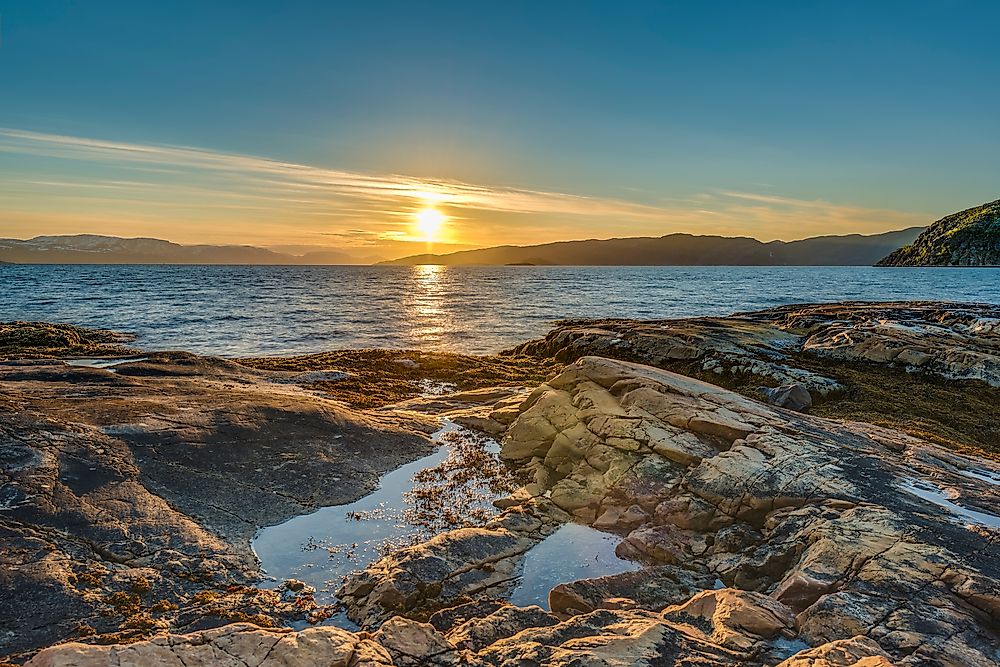
Greenland travel seasons aren’t “good vs bad.” They’re more like choose-your-own-adventure. Want whales and kayaking? That’s a season. Want northern lights and dog sleds? Different season. Want icebergs without crowds? Yep—there’s a season for that too.
Why this matters (before you book anything)
-
Daylight changes everything. Midnight sun is real up north, and it shapes tours and sleep.
-
A lot of activities are seasonal. Whale watching peaks in summer, aurora runs late August into spring.
-
Getting there is changing fast. New airport capacity and schedules are making Greenland more accessible than it used to be.
Quick Takeaways
-
June–August: midnight sun + whales + easiest logistics
-
Late Aug–April: northern lights season (darkness returns)
-
May + September: shoulder-season sweet spot for lighter crowds (and great photo light)
Summer (June–August): Bright, Busy, and Ridiculously Beautiful
Here’s why summer is the “first-timer safe bet.”
-
Midnight sun: In places like Ilulissat, you get that surreal bright-night window in early summer.
-
Whales: Summer is prime time, with multiple species commonly seen.
-
On-water activities: Kayaking, fjord cruises, and iceberg viewing are in full swing.
-
Easier planning: More tours run, and weather is generally friendlier (still Arctic, though).
-
Tradeoff: It costs more and feels busier, because everyone had the same good idea.
Best for: first-time Greenland travelers, photographers, families, and anyone who wants the most options.
Shoulder Season (May + September): The “Smart Traveler” Months
If you like fewer people and more breathing room, shoulder season is where you start smiling.
-
May: Spring energy, improving conditions, and a calmer feel than peak summer.
-
September: Darkness returns, and northern lights can start showing up as the midnight sun fades.
-
Photos pop: Lower sun angles give you more texture on ice, mountains, and water.
-
Better value: You can sometimes find better deals and more availability.
-
Tradeoff: Not every tour runs every day. Build slack into your schedule.
Best for: couples, photographers, repeat travelers, and anyone allergic to crowds.
Winter (Late Aug–April): Aurora Season and the Arctic Mood
This is Greenland’s “lean in” season. It’s darker, colder, and honestly kind of magical.
-
Northern lights: Late August through April is the typical window for aurora viewing.
-
Polar vibe: Winter travel feels quieter and more local.
-
Snow-based adventures: Dog sledding and winter excursions become the headline.
-
Tradeoff: Shorter days and weather can disrupt plans. Keep your itinerary flexible.
Best for: aurora hunters, winter lovers, and anyone who wants Greenland to feel wild and personal.
How to Pick Your Season (A Simple “Wow” Checklist)
If you tell me your top “wow” goal, I can tell you your month range. Until then, use this:
-
I want whales + kayaking + max daylight ? June–August
-
I want northern lights ? late August–April
-
I want icebergs + fewer people ? May or September
-
I want the easiest first trip ? July or August (most tours + simplest logistics)
-
I want “the story I’ll tell forever” ? pick either midnight sun or aurora and commit
Also, one more practical point: access is improving. Nuuk’s newer international airport and evolving flight schedules are part of why Greenland is trending right now.
My Take (opinion, not a brochure)
If you’re going for the first time, I’d pick late July into August. You get long days, whales, and the simplest planning window.
If you’re going for the second time, I’d go September. It’s calmer, moodier, and you might catch early aurora if the skies cooperate.
Wrap-Up
Greenland travel seasons don’t ask “when can you go?” They ask what kind of story you want to come home with.
Question for you: are you chasing midnight sun or northern lights first?
Greenland Travel Series
Greenland Travel Seasons: Aurora, Ice, and the Midnight Sun (Part 1)
Getting to Greenland: Flights, Ferries, and What to Expect (Part 2)
Ilulissat Icefjord: Greenland’s Most Iconic Natural Wonder (Part 3)